 Reviews


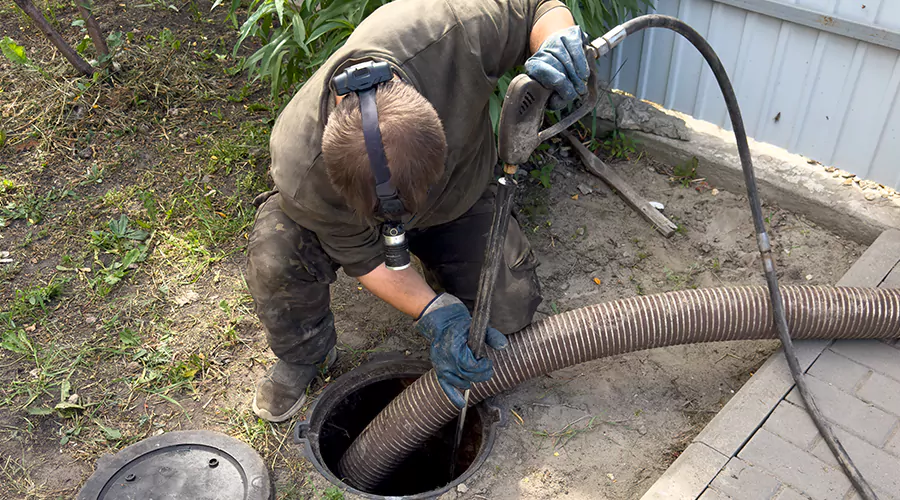
Sewage backup cleaning follows biohazard rules rather than mop-and-bucket rules, because raw sewage is Category 3 water damage, the most dangerous type under IICRC standards. Professional cleanup averages $5,000 nationally in 2026.
The clock matters as much as the contamination. Category 3 water degrades porous materials immediately and can trigger mold growth within 24 to 48 hours.
The problem is common enough to plan for: the EPA estimates about 75,000 sewage backup incidents occur in the US every year. This guide covers what you can safely do yourself and where the line sits.
Why Sewage Is Different From Ordinary Water?
Raw sewage cleanup demands full protection because the water itself is the hazard. The CDC identifies sewage exposure as a source of over 120 different viruses plus numerous bacterial and parasitic organisms. Contact, inhalation and ingestion all transmit them.
The pathogen list reads like a hospital chart. Backed-up sewage can carry E. coli, Hepatitis A, Norovirus, and Cryptosporidium, while bioaerosols may become airborne during improper cleanup, increasing respiratory risks. The contamination can also spread by touch: any water that contacts sewage is considered Category 3 even after drying. Proper Sewage Ejector Pump Installation helps prevent sewage backups by moving wastewater safely out of areas that rely on gravity drainage.
Chemistry works against shortcuts too. Household cleaning products are deactivated by the organic matter in sewage and can't achieve the pathogen kill needed for safe occupancy.
Insider tip: The smell fading doesn't mean the danger faded. Dried sewage residue stays contaminated until surfaces are properly disinfected.
When You Can Clean It Yourself
The DIY line sits at a few square feet on hard surfaces. A small sewer spill clean up on sealed tile or concrete from a single toilet overflow is manageable with full protection. Everything bigger or softer belongs to professionals.
The rules for cleaning up sewage spills scale with three factors: size, surface and people. You can clean up sewage yourself when the spill covers under roughly 10 square feet, touched only non-porous flooring and sits in a ventilated room. Call a pro instead when any of these apply:
- The spill spread beyond one small room.
- Sewage touched carpet, drywall or subfloor.
- The backup came from the main sewer line rather than one fixture.
- Anyone in the home is elderly, pregnant, immunocompromised or under two.
- The HVAC system was running during the event.
- The sewage sat longer than 24 hours.
Even for the small DIY case, gear is non-negotiable: rubber boots, waterproof gloves, an N95 respirator, eye protection and clothes you'll throw away.
Sewer Backup Cleanup Step by Step
Sewer backup cleanup follows a strict order: stop, clear the pipe, extract, remove, disinfect and dry. Skipping ahead spreads contamination into clean rooms. The plumbing gets fixed before the cleaning starts.
- Stop all water use: Every flush and drain worsens the backup, so stop water use and call a plumber rather than attempting to clear a main sewer line yourself.
- Cut power to affected rooms: At the breaker if outlets sit anywhere near the water.
- Fix the cause. Plumbers diagnose with a sewer camera at $150 to $400, then clear the line with an auger at $200 to $500 or hydro jetting at $350 to $1,000.
- Extract the liquid: Sewer water cleanup starts with pumping standing liquid out, using a rented pump or wet vac dedicated to the job and discarded after.
- Remove solids and porous materials: Bag everything contaminated in heavy plastic.
- Wash, then disinfect: Scrub hard surfaces with detergent and hot water first, since disinfectant only works on cleaned surfaces. Apply a bleach solution mixed to label directions and let it sit wet for the full contact time.
- Dry aggressively: Fans and a dehumidifier run until moisture readings return to normal, which takes days rather than hours.
Full sewage backup cleanup on a professional timeline runs 3 to 7 days from response to completed drying, with extraction and material removal in the first two days.
Insider tip: Disinfect your boots and gloves in a bucket at the room's exit every time you leave. Tracked contamination is how one dirty room becomes four.
What to Throw Away and What to Keep?
Porosity decides everything after a backup. Hard non-porous items survive disinfection while soft absorbent ones never truly come clean. Deciding fast is how you clean up after sewer backup damage without paying twice.
- Discard: Darpet and padding, upholstered furniture, mattresses, particleboard furniture, books, paper, insulation and any food or medicine in the room.
- Keep and disinfect: Sealed concrete, tile, metal, solid plastic, glass and solid hardwood in good condition.
- Walls follow the cut rule: DIY sewer backup cleaning stops at the drywall, which gets cut and removed to at least 12 inches above the visible waterline because the material wicks contamination upward invisibly.
Insider tip: Photograph everything before a single bag leaves the house. Itemized photo documentation is what turns an insurance claim from an argument into a checklist.
Sewage Cleanup in Basement Spaces
Sewage cleanup in basement rooms takes longer than anywhere else in the house. Below-grade spaces trap humidity, and a whole-basement sewage event can exceed $15,000 for cleanup alone. Gravity also makes basements the first stop for every backup.
Work with a plan: To clean up basement after sewage backup events, start at the corner farthest from the stairs and work toward your exit, so you never cross cleaned floor in dirty boots. Basement cleanup after sewer backup adds the porous-materials problem at scale, since finished basements stack carpet on pad on subfloor.
Flooring is the hard goodbye: Cleaning sewage backup in basement carpet is a lost cause, and the carpet plus pad go to the curb no matter how new they are. Drying closes the job: when cleaning basement after sewer backup flooding, run a dehumidifier continuously for days, because sewage backup in basement cleanup fails at the mold stage when concrete holds hidden moisture.
Insider tip: Rent a moisture meter for $25 before declaring victory. Concrete that reads wet three days later is mold's starting gun.
Under-House and Crawl Space Spills
A broken waste line under the house creates the least visible and most neglected spill type. To clean up sewage spill under house crawl spaces, the contaminated soil itself must leave, since dirt can't be disinfected in place.
The sequence stays short: Fix the broken line first, remove standing liquid, then shovel out the top few inches of soiled soil into contractor bags. Treat the area with hydrated lime or a professional biocide, replace with clean fill and repair or replace the vapor barrier over everything.
Crawl spaces also concentrate the airborne risk: Confined-space sewage work in a two-foot cavity is the strongest single argument in this article for hiring the job out.
What Professional Cleanup Costs in 2026?
Sewer backup cleanup companies price by contamination and square footage. Category 3 work runs $7.50 to $8.00 per square foot for extraction, demolition, sanitization and drying. The table shows how events scale.
| Event size | 2026 cleanup cost |
|---|---|
| Contained single-bathroom backup | $1,500 to $3,500 |
| Typical residential job | $2,000 to $10,000, averaging $5,000 |
| Whole-basement event | Over $15,000 before rebuild |
The premium has a reason: Level 3 protective equipment, biohazard disposal and antimicrobial treatment add 40 to 60% versus clean-water extraction of the same area. Full sewage restoration also includes commercial drying and clearance testing before reconstruction starts.
Insurance decides who pays: Standard homeowners insurance does not automatically cover sewage backup, and the water backup endorsement costs $50 to $150 per year for $5,000 to $25,000 in coverage. Sewer overflow cleanup caused by a municipal main may also qualify for a claim against the city, so report the event to the sewer authority the same day.
Insider tip: Ask any company for a written scope referencing IICRC S500 standards. Contractors who skip the standard create liability that lands on you.
Prevention Beats Every Cleanup
One $1,500 valve prevents most five-figure backups: A backwater valve installed on the main line closes automatically when the sewer flows the wrong way. Three more habits protect everything downstream of it.
- Install a backwater valve: If your basement sits below street level.
- Add the insurance endorsement: This week, since $50 to $150 a year against a $5,000 average event is the easiest math in this article.
- Keep grease and wipes out of drains: Because they build the clogs that send sewage backward.
- Schedule main line cleaning: Every 18 to 24 months in homes with mature trees near the line.
Conclusion
Sewage is a biohazard wearing water's disguise, and porosity plus square footage decide whether you or a certified crew handles it. Small hard-surface spills reward careful DIY while basements and crawl spaces reward the phone call. Either way the clock starts at 24 hours. This week, check your policy for the backup endorsement and find your main line clean-out.